
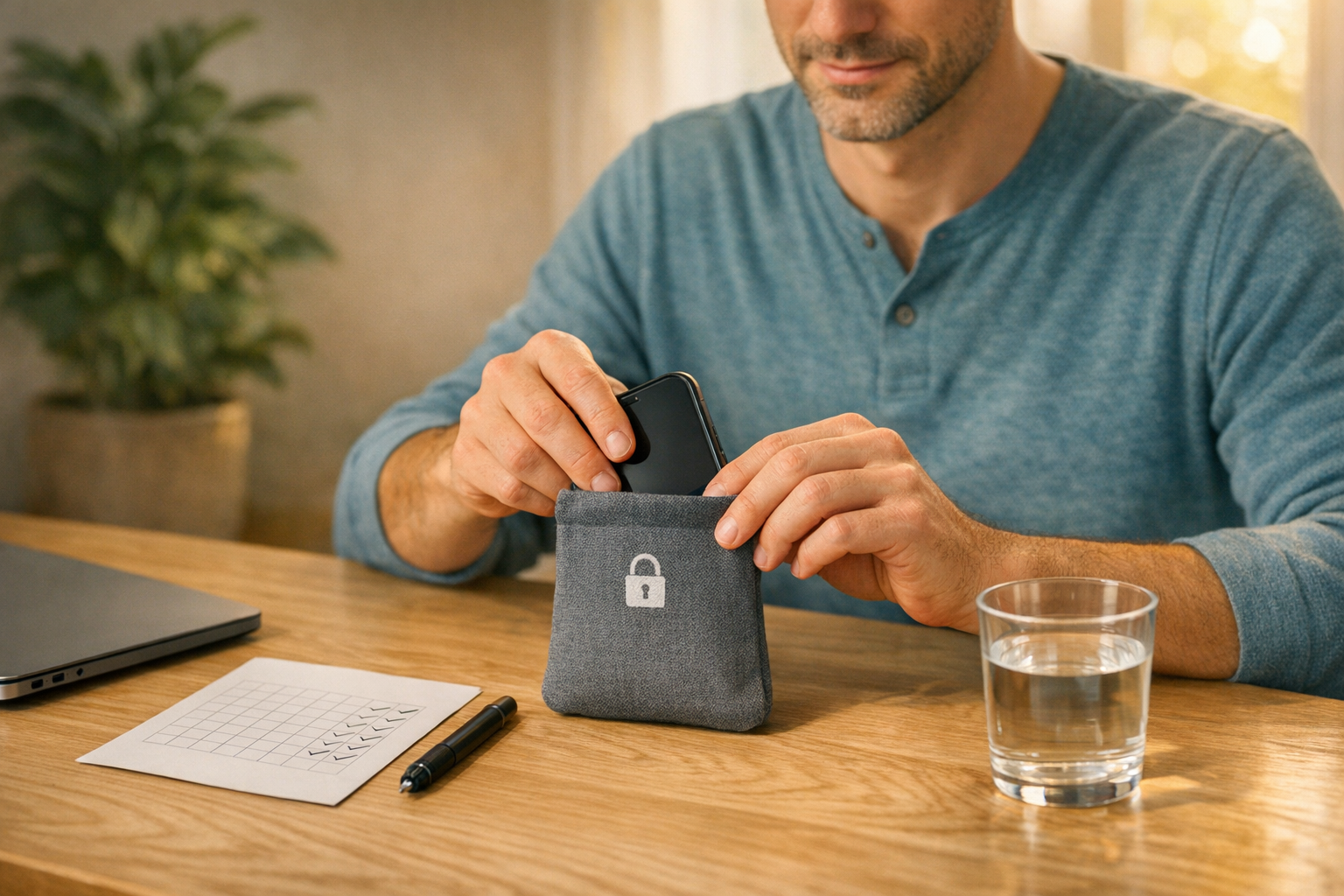
Complete Guide to Overcoming Porn Addiction
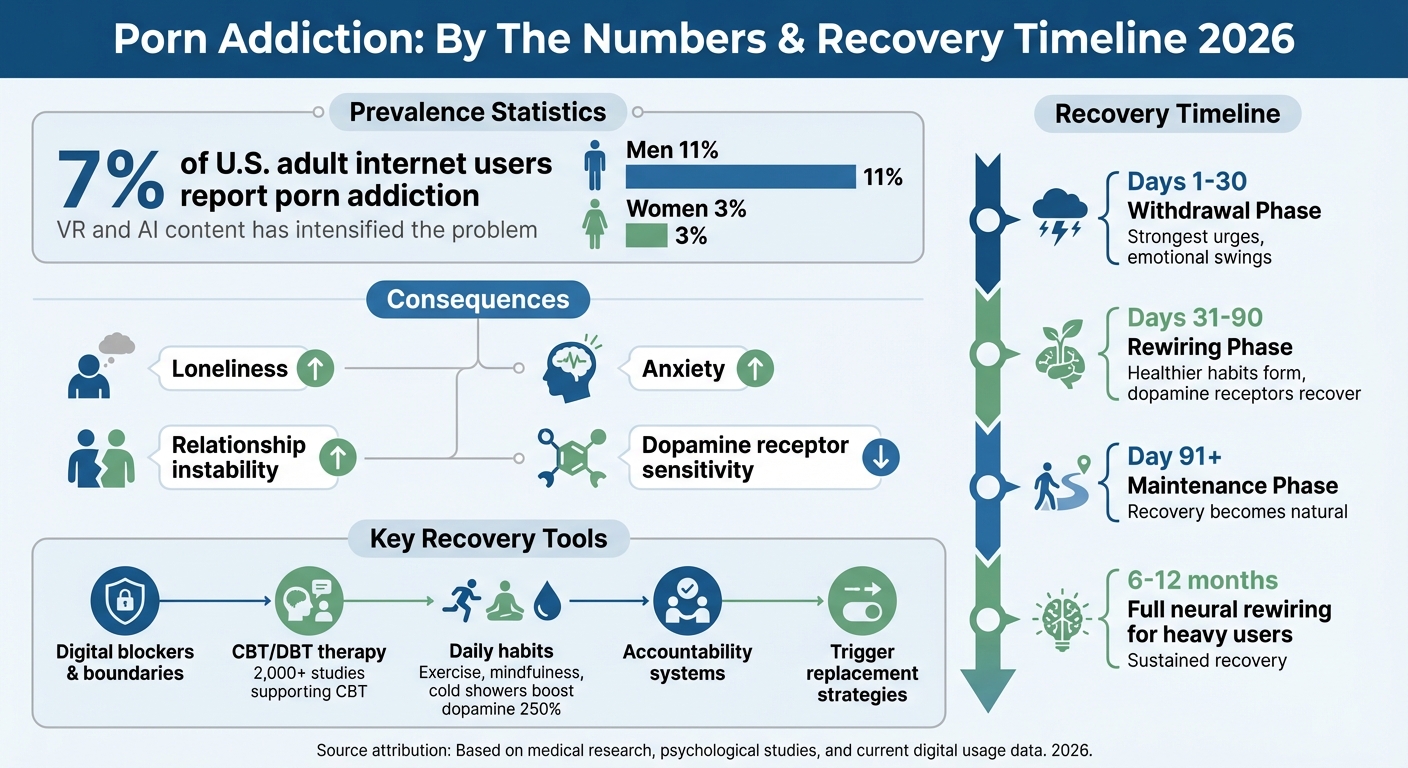
Porn addiction is a growing issue in 2026, with 7% of U.S. adult internet users reporting addiction. Men are more affected (11%) than women (3%). The rise of virtual reality and AI-generated content has intensified the problem, overstimulating the brain’s reward system. Consequences include higher rates of loneliness, anxiety, and relationship instability.
The solution lies in resetting the brain’s dopamine system through practical steps:
- Identify warning signs like loss of control, preoccupation, and emotional reliance.
- Use tools like blockers (e.g., Pledgely) and set digital boundaries.
- Practice Cognitive Behavioral Therapy (CBT) and Dialectical Behavior Therapy (DBT) to manage thoughts and emotions.
- Build healthier habits such as exercise, mindfulness, and structured routines.
- Replace triggers with alternative actions like hobbies or physical activity.
- Track progress and maintain accountability with support systems.
Recovery takes time but is achievable with consistent effort and the right strategies.
How to Recognize Porn Addiction and Start Recovery
Warning Signs of Porn Addiction
Recognizing porn addiction begins with taking an honest look at your habits. A key warning sign is losing control - spending more time watching than you intended or planning to [4]. This might show up as rushing through work tasks just to access explicit content, skipping responsibilities, or losing sleep due to late-night viewing sessions [5][2].
Another red flag is preoccupation. This means thinking about pornography even when you're offline, or eagerly looking forward to your next opportunity to watch [5]. You might find yourself prioritizing this over spending time with friends or loved ones, which can create tension in your relationships [5].
Escalating behavior is also a concern. If you notice you need more extreme or novel content to feel the same level of satisfaction, it could indicate changes in your brain's reward system [4][5]. Emotional reliance on porn to cope with stress, boredom, loneliness, or anxiety is another sign of deeper dependency [4][5].
Physical symptoms shouldn't be ignored either. Withdrawal effects like restlessness, irritability, anxiety, or frustration when you can't access pornography are common [5][2]. Everyday pleasures - like eating, socializing, or hobbies - may seem less enjoyable in comparison [1]. For some men, this dependency can even lead to situational erectile dysfunction, where intimacy with a partner becomes difficult despite responsiveness to pornographic material [5].
How to Commit to Recovery
If you recognize these signs, it's time to take meaningful steps toward recovery.
Start by choosing a clear date to begin. Whether it’s today or tomorrow, having a specific start point is much more effective than leaving it open-ended [1].
Next, analyze your triggers. Pay attention to when, where, and how you feel before turning to pornography. Keep a journal for a week, noting the time, emotional state, and any environmental factors (like being alone at night). This can help you identify patterns and prepare strategies to address them [1].
Setting up technology barriers can also be a game-changer. Use DNS-level filters, website blockers, or accountability software to create a pause between the impulse and the action [1]. For instance, you could remove browsers from your phone, enable "Limit Adult Websites" in iOS Screen Time settings, or move your computer to a shared space in your home. The goal isn’t to make access impossible but to slow things down enough for your rational mind to step in [6].
Create an emergency plan for moments when cravings hit hard. This could include doing 10 push-ups, leaving the room, texting a trusted accountability partner, practicing a quick breathing exercise, or diving into an alternative activity you’ve planned ahead of time [1].
Finally, adopt a day-by-day approach. Instead of vowing to quit forever, focus on staying porn-free for just 24 hours at a time. This mindset makes the goal feel less overwhelming and more achievable. As the Quit Porn App Team puts it:
Recovery isn't a finish line. It's a new way of living [1].
Behavioral Psychology Methods for Recovery
Using CBT to Change Thought Patterns
Cognitive Behavioral Therapy (CBT) is backed by over 2,000 studies and is widely regarded as the leading treatment for addiction, with endorsements from organizations like the National Institute on Drug Abuse [8]. This approach focuses on the connection between thoughts, emotions, and behaviors, highlighting how cognitive distortions can fuel porn addiction.
A key technique in CBT is cognitive restructuring, which involves challenging irrational, all-or-nothing thinking. For example, thoughts like, "I've already slipped up today, so I might as well binge", can be replaced with more constructive perspectives. By clarifying your core values, you can better align your actions with your deeper purpose while also identifying potential triggers in advance [6][8]. One practical method is conducting a trigger analysis - keeping track of the time, location, and emotional states (like boredom, stress, or loneliness) that tend to precede urges. This process can help uncover patterns and provide insights into what drives certain behaviors [6].
Another essential aspect is identity reconstruction, which shifts your self-perception from "porn addict" to someone who is actively working to reclaim their sense of self and sexuality [6]. As Cognitive Behavioral Therapy Los Angeles explains:
CBT therapy offers a structured and goal-oriented approach to address the thoughts, emotions, and behaviors associated with all addictive behaviors [8].
While CBT focuses on cognitive strategies, Dialectical Behavior Therapy (DBT) complements it by addressing the emotional impulses that often underlie addictive behaviors.
Using DBT to Manage Emotions
Dialectical Behavior Therapy (DBT) builds on the foundation of CBT by providing tools to navigate intense emotions and persistent cravings. DBT emphasizes four main areas: mindfulness, distress tolerance, emotion regulation, and interpersonal effectiveness [9].
Mindfulness helps you stay grounded in the present, reducing impulsive reactions to emotional triggers. A helpful technique here is the RAIN method, which involves four steps:
- Recognize the feeling,
- Allow it to exist without judgment,
- Investigate the physical sensations associated with it, and
- Non-identify by reminding yourself that the feeling is temporary [3].
For handling intense urges, distress tolerance techniques are invaluable. One effective method is urge surfing, where you observe a craving, rate its intensity on a scale of 1 to 10, and watch how it naturally peaks and then subsides [6]. Other strategies include waiting for 10 minutes before acting, changing your environment, or engaging in brief physical activity. These actions interrupt automatic responses and engage your rational brain, breaking the cycle of impulsive behavior [3][6].
Over time, consistent DBT practice can reshape the brain, strengthening the prefrontal cortex (responsible for decision-making) while calming the amygdala (associated with fear and impulses) [9]. Clinician Ava Titsworth highlights this process:
Practicing these skills daily rewires the brain for long-term recovery [9].
DBT also focuses on emotion regulation, which helps you recognize and manage feelings before they spiral out of control. Techniques like radical acceptance - acknowledging a difficult emotion or situation without immediately trying to fix it - can reduce the added stress caused by resistance. This approach allows for a more thoughtful and effective response to challenges [9].
Developing Healthy Digital and Daily Habits
How to Regulate Dopamine and Reward Systems
Balancing your brain's reward system is a critical step in addressing addiction. Overexposure to digital stimuli can overstimulate this system, leading to a decrease in dopamine receptor sensitivity. Over time, this makes everyday activities feel less fulfilling[12]. However, you can reset these receptors with daily practices that restore balance and make healthier choices more rewarding.
Cold showers are a simple yet effective way to boost dopamine levels - by as much as 250%[10]. Regular physical activity also plays a significant role. Exercise releases Brain-Derived Neurotrophic Factor (BDNF), which supports neuroplasticity and helps rewire the brain's reward pathways[10]. Even a short 10-minute walk can contribute to these benefits.
Practicing mindfulness is another powerful tool. It strengthens the prefrontal cortex, the part of the brain responsible for impulse control. Just 10–15 minutes of mindfulness daily can increase gray matter in this area and help regulate emotional responses[10]. Start your day with 16 ounces of water and 5–10 minutes of focused breathing to enhance cognitive control before engaging with digital devices. Keep in mind that even mild dehydration (just 1–2% of body weight) can impair executive function and raise cortisol levels, making it harder to resist impulses[10].
Establishing digital boundaries can further support your recovery. Switching devices to grayscale mode removes the dopamine-triggering effects of colorful screens[10]. Create device-free zones in areas like bedrooms and bathrooms, and charge your phone outside your sleeping area to avoid late-night temptations[10][3]. A "digital sunset" - turning off unnecessary screens 1–2 hours before bedtime - protects your prefrontal cortex and improves sleep quality[10][3]. For an added layer of protection, adjust router settings to use family-safe DNS options like 1.1.1.3[3].
By combining these digital habits with a structured daily routine, you can reinforce your brain's recovery process.
Building a Balanced Daily Routine
A well-structured daily routine helps minimize decision fatigue and supports the formation of healthy habits. Start with a basic framework called the "Minimum Viable Day"[6]. This approach focuses on essential activities: getting 7+ hours of sleep, taking a 10-minute walk, eating two nutritious meals, meditating for 5 minutes, and including a recovery check-in. Once these habits feel solid, you can add one or two new practices every two weeks to maintain steady progress[10].
After your morning hydration and breathing exercises, incorporate quick stress-relief techniques like the 4-7-8 breathing method. Just 60 seconds of deep breathing during transitions can help prevent stress from building up and keep your prefrontal cortex sharp[10]. Make time for at least one meaningful conversation each day. These interactions release oxytocin, which helps counteract the neurochemical effects of addiction and reduces feelings of isolation[10].
Physical activity is another cornerstone of recovery. Aim for at least 30 minutes of exercise daily to stimulate BDNF production and encourage the growth of new neural pathways[10]. Whether it’s bodyweight exercises, walking, or cycling, these activities provide significant benefits without requiring a gym membership. As Devin McDermott, a Recovery Specialist at BeFree, puts it:
It's like I've been pushing a boulder uphill for years. These habits don't make the boulder any lighter, but they've given me the strength to keep pushing until I finally got it over the crest[10].
Your evening routine is just as important. Alongside a digital sunset, consider calming activities like reading a physical book, practicing progressive muscle relaxation, or journaling about your achievements and challenges from the day[10]. Rebuilding your brain’s neural pathways typically takes at least 90 days of consistent effort[11]. By committing to these practices, you lay the groundwork for long-term recovery and resilience.
How to Quit Porn - 12 Science-Based Strategies for Porn Addiction
Using Pledgely for Digital Accountability
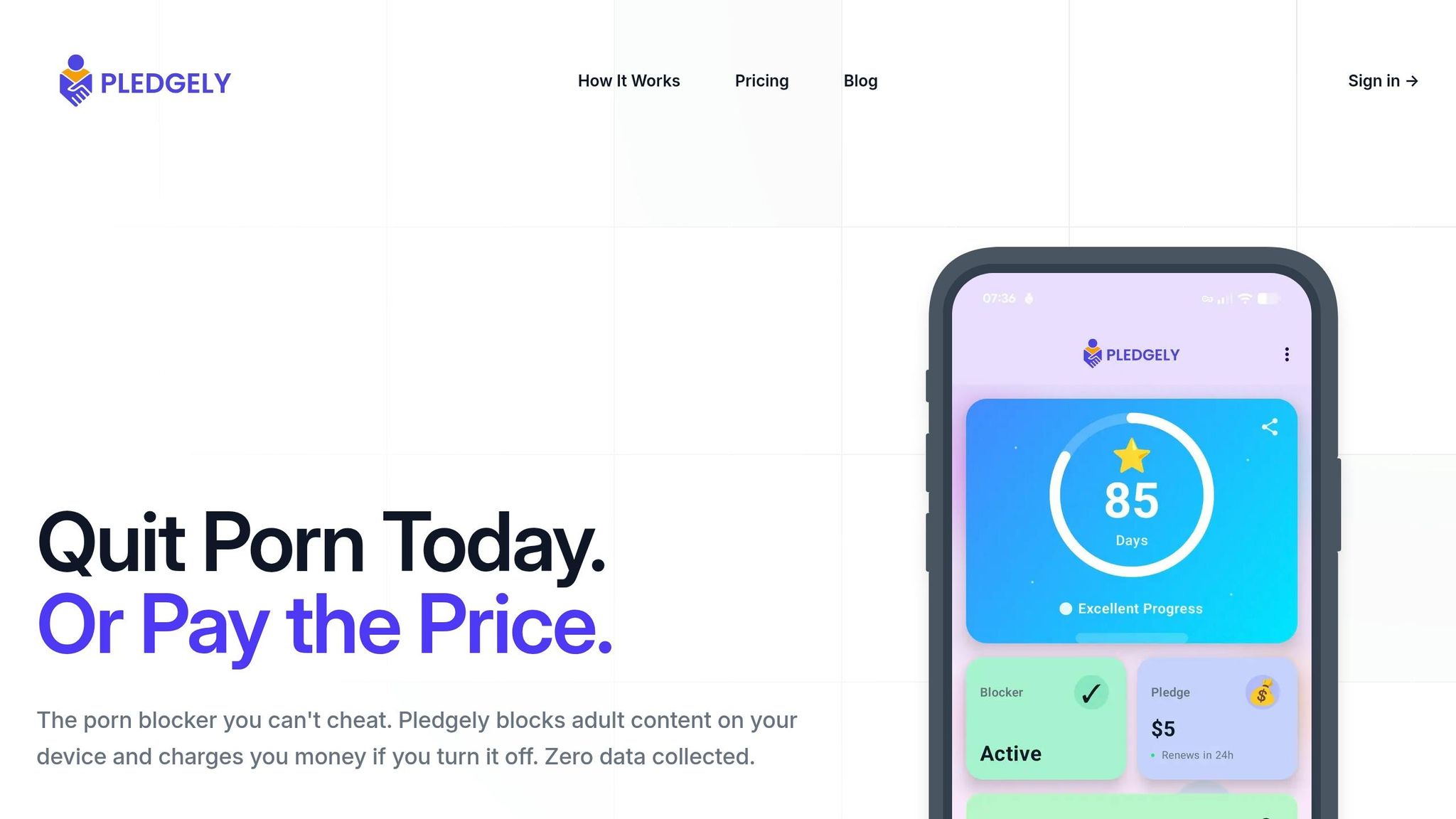
Strengthening your digital boundaries often requires tools that align with modern recovery strategies. Pledgely steps in as a privacy-focused tool designed to reinforce these boundaries while promoting behavioral change through accountability.
What sets Pledgely apart is its on-device blocker that filters adult content without sending your data anywhere. It also incorporates a financial commitment to discourage bypassing the blocker. By working across all browsers and apps on your device, Pledgely ensures a consistent barrier that supports the boundaries you've already put in place.
The financial pledge is where behavioral economics comes into play. When you set a pledge amount between $5 and $100, you introduce a real consequence for disabling the blocker. This taps into loss aversion - the idea that people are more motivated to avoid losing something than to gain something. This financial stake slows down impulsive decisions, giving the rational part of your brain time to take control. It’s a clever way to reinforce your digital defenses and keep you aligned with your goals.
How Pledgely Works
Pledgely operates on Android devices (with iOS support coming soon) and uses on-device detection to block explicit material across browsers and apps - all while keeping your data private.
The app’s subscription plan costs $9.99 per month and includes essential blocking features with multi-device support. You can also add an optional daily pledge ranging from $5 to $100. The pledge amount is only charged if you disable the blocker, leveraging your natural aversion to loss to help curb impulsive actions.
Choosing Your Pledgely Plan
Pledgely offers flexibility to suit your level of commitment. Here’s a breakdown of the available plans:
| Plan Name | Price | Description | Features | Limitations |
|---|---|---|---|---|
| Subscription | $9.99/month | Porn blocker with financial accountability | Local content blocker, no data collection, multi-device support | Currently available on Android; iOS version in development |
| Daily Pledge | $5–$100 | Optional financial pledge charged only if blocker is disabled | Customizable pledge amount, motivational financial stake | Requires active subscription |
When choosing your pledge amount, aim for a number that feels meaningful but manageable. For some, $10 per day is enough to make them pause, while others might need $50 or more to feel the impact. The goal is to pick an amount that makes you think twice before disabling the blocker during moments of temptation.
Replacing Triggers with Healthy Coping Methods
Recovery isn’t just about stopping an old habit - it’s about filling the gap it leaves behind with something better. By identifying your triggers and replacing harmful responses with healthier ones, you can strengthen your progress. This builds on earlier strategies for emotional balance and digital wellness.
How to Identify and Manage Triggers
Triggers can fall into three main categories: emotional (like stress, loneliness, or anxiety), environmental (specific locations, being alone, or certain times of day), and behavioral (boredom or routines) [13]. Pinpointing which type affects you most is the first step to managing them effectively.
Tracking your patterns can provide valuable insights [6]. Pay attention to when and where your cravings arise. Are you often triggered in the evenings while alone in your bedroom? Or does work stress lead to urges by mid-afternoon? By documenting your emotions, location, and timing, you can uncover these patterns and prepare for them.
Learning how to recognize your triggers can help you avoid or manage them so that you can prevent relapse from occurring.
- Edmund Murphy, SUD Researcher, Recovered [13]
Recognizing physical signs of a trigger - like changes in breathing, muscle tension, or heart rate - can help you step in before the craving escalates [14]. Ask yourself, "What just happened that caused this feeling?" This simple question can create a moment of awareness, allowing you to intervene consciously.
Once you’ve identified your triggers, you can use practical tools to avoid a relapse.
Coping Strategies That Work
When a craving strikes, you need techniques that work quickly. One effective method is urge surfing, where you observe the craving’s physical sensations without giving in. Rate its intensity on a scale of 1 to 10, and notice how it naturally builds and fades over time [6][13].
Physical actions can also interrupt urges. Try doing 10 push-ups, splashing cold water on your face, or holding ice cubes in your hands [14]. Another helpful technique is the 4-7-8 breathing method: inhale for 4 seconds, hold for 7 seconds, and exhale for 8 seconds. This can calm your mind and reduce anxiety during high-stress moments [6].
For grounding, the 5-4-3-2-1 technique works wonders. Identify:
- 5 things you see
- 4 things you can touch
- 3 things you hear
- 2 things you smell
- 1 thing you taste
This sensory exercise pulls your focus back to the present, breaking obsessive thought patterns [15].
Here’s a quick guide to replacing triggers with healthier actions:
| Trigger Type | Alternative Healthy Action |
|---|---|
| Boredom | Start a project, pick up a hobby, or take a walk outside [3] |
| Stress | Exercise, take a cold shower, or practice deep breathing [3][15] |
| Loneliness | Call a friend, visit a public space, or join a support group [3][13] |
| Night in Bed | Read a physical book, move your phone to another room, or sleep earlier [3] |
Another powerful strategy is visualizing the consequences of giving in. Picture the disappointment, the broken promise to yourself, and the setback in your progress. Engaging your rational mind this way can stop impulsive actions in their tracks [14].
Triggers lose their power when you discuss them.
- Matthew Wenger, MA in Couples and Family Counseling [14]
If the urge feels overwhelming, don’t hesitate to reach out for support. Talking about your experience with someone you trust can weaken the craving’s grip [14]. Keeping a list of people you can call in tough moments can make all the difference. These tools, combined with your growing digital and emotional wellness habits, will reinforce your recovery journey.
Building a Long-Term Recovery Plan
Recovery isn’t just about overcoming urges; it’s about creating a sustainable lifestyle. A long-term plan combines accountability, progress tracking, and daily habits to support ongoing growth. This approach blends digital tools with personalized support, building on earlier strategies.
Setting Up Accountability and Support Systems
While digital blockers can slow down impulsive behaviors, true change requires internal accountability. Tools like Pledgely help by adding a financial pledge system, encouraging thoughtful decision-making. However, lasting recovery goes beyond apps - it requires a multi-layered support system.
This system includes three key components: professional help (such as therapists or addiction coaches), peer support groups (like Pornography Addicts Anonymous or SMART Recovery), and trusted friends or family members [7][11]. The focus isn’t on monitoring but on fostering openness and honesty. Sharing your struggles or near-relapses early can prevent setbacks.
The goal of accountability isn't surveillance. It's transparency and vulnerability.
Daily self-reflection is also crucial. A simple check-in - asking yourself, "What am I feeling right now?" - can help you recognize triggers like stress or loneliness before they lead to urges. Building internal motivation ensures recovery is driven by personal growth rather than external validation.
Tracking Progress and Staying Motivated
Once accountability is in place, tracking your progress becomes essential for maintaining momentum.
Understand the phases of recovery to measure your progress. The Withdrawal phase (days 1–30) is often the hardest, marked by strong urges and emotional swings. The Rewiring phase (days 31–90) is when healthier habits begin to take root. By day 91 and beyond, recovery starts to feel like a natural part of daily life [6][11].
Use tools like habit trackers or journals to celebrate milestones at 1 day, 1 week, 1 month, 3 months, and 6 months [7]. These victories, big or small, highlight your progress. For example, significant dopamine receptor recovery often occurs between 60 and 90 days, while full neural rewiring may take 6–12 months for heavy users [1].
Focus on creating a "Minimum Viable Day" - a checklist of simple, essential habits. This might include getting 7 hours of sleep, taking a 10-minute walk, meditating for 5 minutes, and checking in with an accountability partner. These small, consistent habits help rebuild the self-trust that addiction often erodes [6].
Recovery is less about intensity and more about consistency - small, boring, repeatable wins.
Start each day with a simple affirmation like, "Today, I choose progress." This mindset keeps the journey manageable [6]. Keeping a recovery journal for at least a week can also help you identify patterns in your urges by noting their timing, emotional triggers, and environmental cues [7].
Motivation grows when you clearly see both sides of the equation: what you’re leaving behind - shame, isolation, and dysfunction - and what you’re gaining - better focus, genuine confidence, and stronger relationships. This clarity can keep you moving forward, even when the road feels challenging.
Conclusion
Breaking free from porn addiction is about creating a life filled with purpose and meaning. The journey starts with an honest look at where you are, setting up digital blockers to give your brain time to reset, and embracing the fact that recovery takes patience and the right environment to thrive [1].
The methods shared here work together as a cohesive system. Pinpoint your triggers - whether they stem from emotions like stress or boredom, situations like late-night solitude, or even online habits like scrolling through social media. When cravings strike, lean on the STAR Method: Stop and breathe, Track the trigger, Accept the urge without resistance, and Respond with an alternative plan [11]. Surround yourself with a strong support network, including professional counselors, peer groups, and accountability partners. These steps, when combined, create a foundation for lasting recovery.
Pledgely introduces an extra layer of accountability by adding financial stakes, helping you stay committed to your goals.
"Recovery is measured in progress, not perfection."
- CT Dool, Men's Coach [4]
This guide emphasizes a comprehensive approach - balancing self-awareness, behavioral changes, and digital tools - to help you achieve long-term success. By combining practical techniques with reliable support systems, you establish a recovery plan that lasts. Take the first step today: set a start date, activate your blockers, and share your commitment with someone you trust. Thanks to the brain's neuroplasticity, healing is entirely possible [1]. With the right tools, strategies, and support, you're not just overcoming addiction - you’re building a digital life that aligns with your values and aspirations.
FAQs
When should I get professional help?
If porn addiction is impacting your mental health, relationships, or daily life - and self-help methods aren’t making a difference - it’s important to seek professional help. A trained professional can provide personalized strategies and guidance to support your recovery journey.
What should I do after a relapse?
Relapsing can feel disheartening, but staying calm and avoiding harsh self-criticism is key. It’s a normal part of the recovery process for many. Take a moment to reflect on what led to the setback - identifying triggers can provide valuable insights. Use this understanding to tweak your strategies moving forward.
Revisit your goals and reconnect with your recovery plan. Tools like accountability apps or joining a support group can offer added structure and encouragement. Keep in mind, a relapse doesn’t mean failure. Instead, it’s a chance to learn, grow, and recommit to your journey ahead.
How do I talk to my partner about it?
When talking to your partner about porn addiction, it's important to approach the topic with both honesty and care. Start by creating an environment where they feel safe to share their thoughts and emotions. Be open about your reasons for wanting to address the issue and acknowledge any feelings of vulnerability that may arise. Let them know you're committed to recovery and rebuilding trust in your relationship.
Use supportive and understanding language, and make it a point to actively listen to their feelings without judgment. If the conversation feels overwhelming or complex, consider reaching out for professional help, like couples counseling, to work through the challenges together and strengthen your connection.